In 2026 Qatar is expected to be an important center of trade because of its position as a leading center for commerce in the Middle East. It has developed advanced logistics infrastructure and increasing levels of international trading because of its many free trade agreements, so it makes sense to start importing and exporting goods from Qatar.
It is important to note that Qatar’s non-oil sectors are being developed through national development plans, and that continued growth of Qatar’s economy will be driven by trading. If you are planning to start a Qatar import export business, you will need to learn about the legal and operational framework of Qatar before you start.
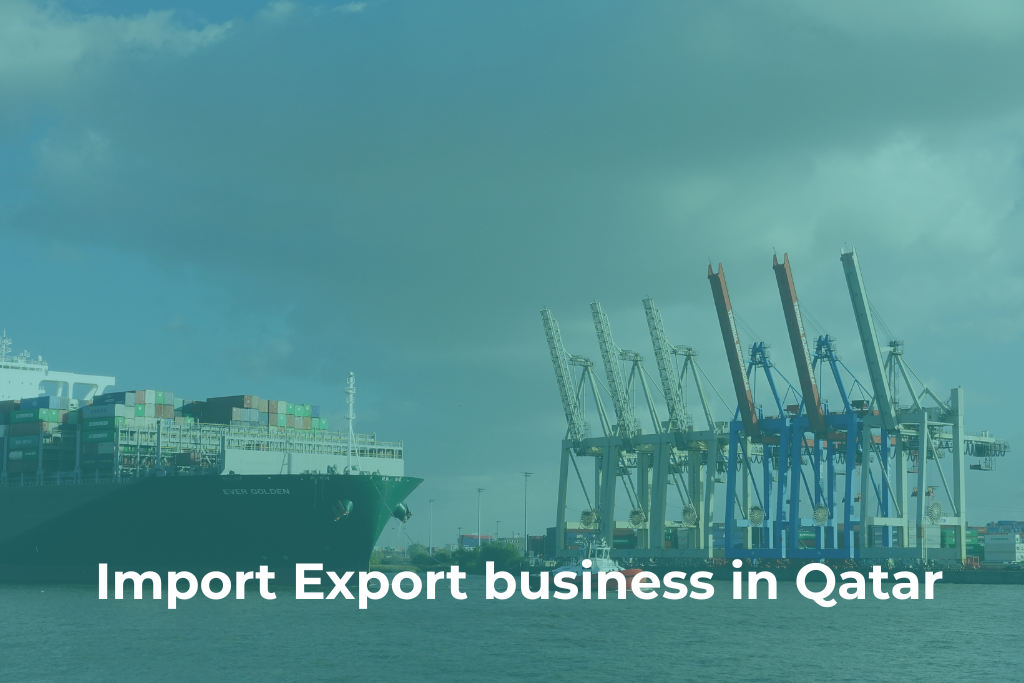
Qatar imports many types of products, such as:
In addition to importing goods into Qatar, the country also exports energy products , chemical products, plastic products and other industrially manufactured goods.
Companies looking for an opportunity to start an import export business in Qatar will find the country to be well-positioned to take advantage of import export opportunities to establish a distribution presence in the Middle East, due to its location at the intersection of major global trade routes.
Your choice of business structure will affect your licensing, ownership rights, and taxes for your import export business in Qatar.
Many trading companies are set up as Limited Liability Companies. Depending on your trading activity, you may be permitted to have 100% foreign ownership.
A Free Zone Company is ideal if your business focuses on international distribution and/or re-exporting.
Foreign businesses may also establish a branch office to engage in international trade.
In constructing a business structure, you should consider how the choice will impact your long-term ability to grow your company.
If you wish to run an import/export business in Qatar, you must receive the following approvals:
Every approval that you receive must match the description of the particular import/export activity that you originally registered.
Customs clearance plays a central role in the import export business in Qatar.
Required documentation for shipments includes:
Compliance accuracy prevents shipment delays and penalties.
Before starting an import export business in Qatar, financial planning must include:
Cash flow management is especially important during the first year.
Efficient logistics determine profitability in trading businesses.
Options include:
Hamad Port’s advanced infrastructure supports large-scale trading operations.
Key risks include:
Strategies to minimize risk include:
Managing these risks strengthens your import export business in Qatar.
Digital systems now play a crucial role in trade efficiency.
Qatar Customs uses electronic clearance systems that reduce processing times. Automated inventory management and AI-powered logistics tracking improve operational control.
Businesses that integrate technology into their import export business in Qatar gain competitive advantages in cost control and delivery speed.
Key benefits include:
These factors contribute to long-term growth potential.
As global trade continues evolving, import export business in Qatar will benefit from:
Businesses that adapt to these trends can scale effectively.
To grow successfully:
Long-term success depends on consistency and operational efficiency.
Yes, especially for international and re-export operations.
2. Do I need a local sponsor for an import export business in Qatar?
Depending on the activity and structure, 100% foreign ownership may be allowed.
3. What documents are required for customs clearance?
Commercial invoice, packing list, bill of lading, and certificate of origin.
4. Can I import food products into Qatar?
Yes, but food items require additional approvals and health certifications.
5. Are there restricted goods in Qatar?
Yes, certain goods require special permits or may be prohibited.
6. Is an import export code mandatory in Qatar?
Yes, you must obtain an importer/exporter code from Qatar Customs.
7. Can I import goods without a trade license?
No, a valid trade license is required to import goods legally.
8. Can I import machinery and industrial equipment?
Yes, but some equipment may require additional approvals.
9. Are there free trade agreements benefiting Qatar?
Yes, Qatar benefits from GCC trade agreements and regional partnerships.
10. Is professional assistance recommended?
Yes, professional guidance helps avoid delays and compliance issues.
Starting an import export business in Qatar in 2026 offers strong potential due to the country’s trade infrastructure, regulatory clarity, and growing demand for imported goods. However, successful establishment requires careful planning, compliance awareness, financial forecasting, and efficient logistics management . Contact us for professional guidance.
By selecting the right legal structure, obtaining necessary licenses, registering with customs authorities, and implementing effective operational strategies, entrepreneurs can build a sustainable and profitable import export business in Qatar.
With Qatar continuing to invest in digital transformation and global trade connectivity, the outlook for trading businesses remains highly promising.
If you’re planning to start an import export business in Qatar, our experts will assist you with company formation in Qatar, including licensing, approvals, and registration. We simplify the process to help you launch smoothly and confidently. Contact us today to get started.
Copyright © 2024 QCF Global Services. All Rights Reserved.