What is a notarized affidavit? A notarized affidavit is a written statement in which a person formally declares that the information provided is true and correct, and the document is authenticated before an authorized notary. In Qatar, notarized affidavits may be required for legal, immigration, employment, business, banking, property, family, and government-related purposes.
An affidavit is more than an ordinary written declaration. Depending on its purpose and the receiving authority, the person making the statement may be required to sign it before a notary or another authorized official. Notarization helps verify the identity of the person signing the document and confirms that the signature was made before the authorized official.
For individuals, companies, and foreign nationals in Qatar, understanding what a notarized affidavit is, when it is required, and how it should be prepared can help prevent document rejection.
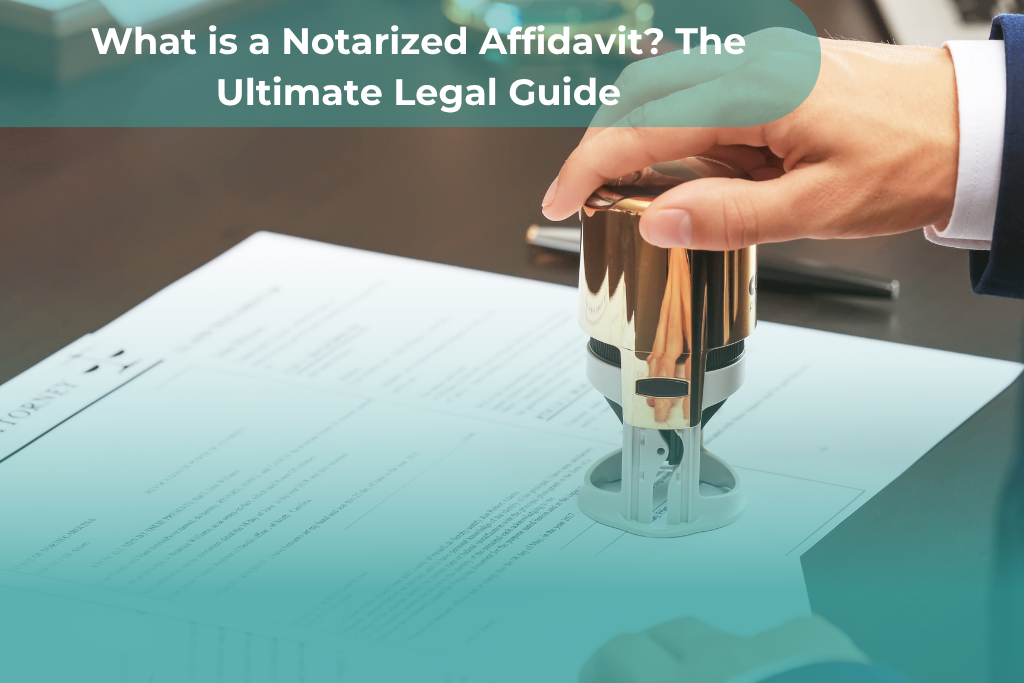
An affidavit is an official document that is made under oath and that contains the statement of the affiant. The author of the affidavit signs it. When a person signs it, it means that he or she has declared that he or she is speaking the truth, meaning that lying may be considered perjury.
Affidavits are used in courts of law and in business and government dealings in order to present information and facts without the presence of the affiant in court.
Notarization is a legal procedure that helps prevent fraud and verifies to the parties involved that a document is authentic. A Notary Public is a public official designated by the federal or state government to perform the duties of an impartial witness regarding certain legal acts.
When notarized, the Notary Public will verify the following points about the document signer:
A notarized affidavit refers to a written statement that contains the facts claimed by the affiant as true and signed in the presence of a Notary Public.
The notary administers the oath or affirmation to the affiant, follows the signing, and after that, places their signature and seal on the document. This means that the notary certificate does not prove the truth of the statements in the affidavit; it merely proves that the person signing the affidavit claimed that they are true, and that their identity has been verified.
Notarized affidavits act as a foundation of trust in legal systems around the globe. Below are the main reasons for needing affidavits:
Creating affidavits is possible for practically any documented fact. Nevertheless, there are a few standardized types of documents used more frequently all over the world.
The Affidavit of Identity is issued to verify your identity. Banks and lenders usually ask for it in case of identity theft or a mismatch in records.
The Affidavit of Residence or proof of address affidavit serves to confirm your address. Typically this document is required when enrolling your child in a school district or applying for social benefits from the government, or opening a certain type of bank account.
Widely used for immigration purposes, the Affidavit of Financial Support is a document signed by the sponsor who agrees to support the applicant financially.
If an individual dies intestate, the declaration of heirship can be utilized to determine the heirs of the decedent. It may help avoid a lengthy probate of a small estate.
In Qatar, official notarization services are typically processed through the Ministry of Justice (MOJ) branches or authorized private notaries. Applicants should confirm the appropriate notarization procedure based on the type of affidavit and document involved.
In case of legally changing one’s name or in case the name on a vital document is misspelled, the declaration of name change will serve as a sworn document affirming the true legal identity of a person.
In case one loses the original marriage certificate and needs to prove his marital status for taxation, immigration purposes, etc., this document will affirm, through a sworn statement, that a marriage occurred.
Write out your statement in full and ensure that all the information and details included in the document are accurate before proceeding with the notarization process.
Do not sign the document before meeting the notary. The notary public must personally witness you signing the document. If you have already signed it, the notary may refuse to notarize it and you may need to prepare a new copy.
You must prove your identity to the notary. Bring an original government-issued identification document with your photograph. Common forms of identification may include a passport or driver’s license.
Find a suitable notary public through an authorized provider. Depending on your location, notaries may be available at banks, law firms, real estate offices, or through mobile notary services.
After meeting the notary, you may be asked to take an oath or make an affirmation confirming that the statements contained in your document are true and accurate.
After completing the required oath or affirmation, sign the document in front of the notary as instructed. The notary must witness the signing when required by the applicable notarization procedure.
The notary completes the required notarial section, which may include adding their signature, stamp, or seal to the Jurat or applicable certification section, completing the notarization process.
To avoid rejection of your affidavit by a judge, bank, or immigration officer, make sure not to commit the following mistakes:
The notarization itself does not expire; a notary stamp simply proves that the document was signed on a specific date. However, the relevance of the information contained in the affidavit may expire. For example, a bank might reject an Affidavit of Residence if it was signed more than 90 days ago, as your circumstances may have changed.
No. A Notary Public acts as an impartial witness. Unless the notary is also a licensed attorney, they generally cannot provide legal advice, draft legal documents on your behalf, or determine which type of affidavit you need. Providing legal advice without authorization may constitute the unauthorized practice of law.
They are highly similar and can serve similar legal purposes. The main difference is generally based on the legal system and jurisdiction. An affidavit is traditionally a written statement made under oath, although non-religious affirmations may be permitted. A statutory declaration is a statement made outside court that is formally declared to be true without necessarily requiring a religious oath. Countries such as the UK, Canada, and Australia commonly use statutory declarations, while affidavits are widely used in the United States.
Generally, a minor may be able to sign an affidavit if they are old enough to understand the facts they are swearing to and understand the nature of an oath or affirmation. However, requirements can vary depending on the jurisdiction and the purpose of the affidavit. A parent or guardian may also need to be involved in certain circumstances, and the notary may need to assess the signer’s understanding and capacity.
Yes, in many jurisdictions. Remote Online Notarization (RON) allows a signer to connect with a commissioned notary through a secure video call. Depending on local laws and the type of document, the notary may verify the signer’s identity, witness the electronic signing, and apply a digital notarial seal. Online notarization availability and requirements vary by jurisdiction.
Understanding what a notarized affidavit is, when it is required, and how it should be prepared can help prevent document rejection and unnecessary delays. A notarized affidavit is a written statement that is formally signed and authenticated according to the applicable notarization procedure.
For applicants in Qatar, the process may involve preparing the affidavit, verifying identification and supporting documents, completing notarization, and obtaining additional attestation or legalization when the document is intended for use abroad, including MOFA attestation in Qatar.
The key to a successful affidavit process is preparing accurate information and confirming the requirements of the authority that will receive the document. Incorrect information, missing documents, improper notarization, or incomplete legalization can result in delays or rejection. Need help drafting, notarizing, or attesting your documents in Qatar? Contact QCF Global Services today for fast, legally compliant corporate and PRO services.
A notarized affidavit is a written statement of facts that is sworn or affirmed and signed before a notary public, who verifies the signer’s identity and witnesses the signing. For businesses and individuals handling legal documentation, understanding notarized affidavits can also be useful when managing company formation in Qatar and other official requirements.
Copyright © 2024 QCF Global Services. All Rights Reserved.